
Indian Rosewood at a glance
Indian rosewood is the classic dark, figured hardwood of Indian furniture making. It is dense, very durable and polishes to a deep, lustrous finish.
It is often confused with sheesham (Dalbergia sissoo), which is also called Indian rosewood but is lighter, plainer and less valuable. Both are Dalbergia and both are under CITES controls for export.
Indian Rosewood is a hardwood. Origin: India, Sri Lanka and Indonesia. The tree typically reaches 20–30 m tall, 0.6–1.2 m trunk diameter.
Buy Indian Rosewood: stock, sizes and grades
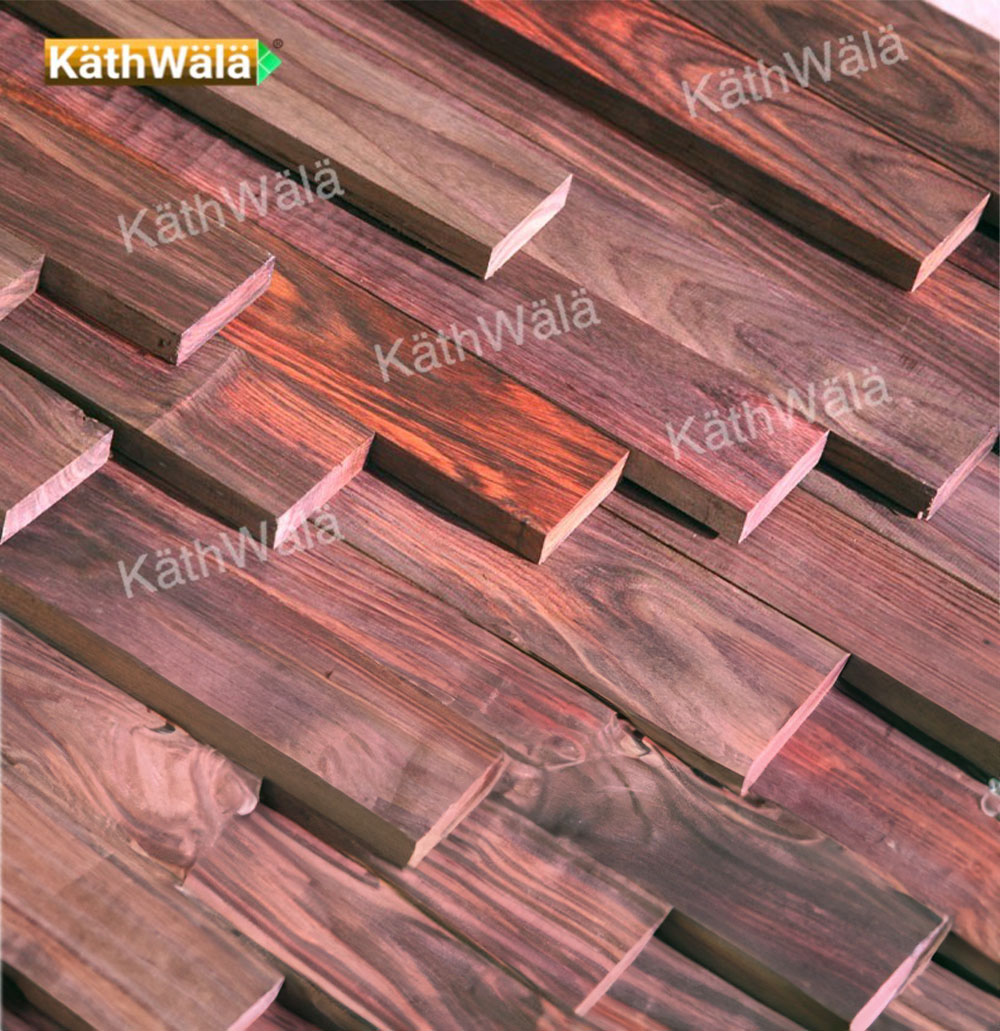
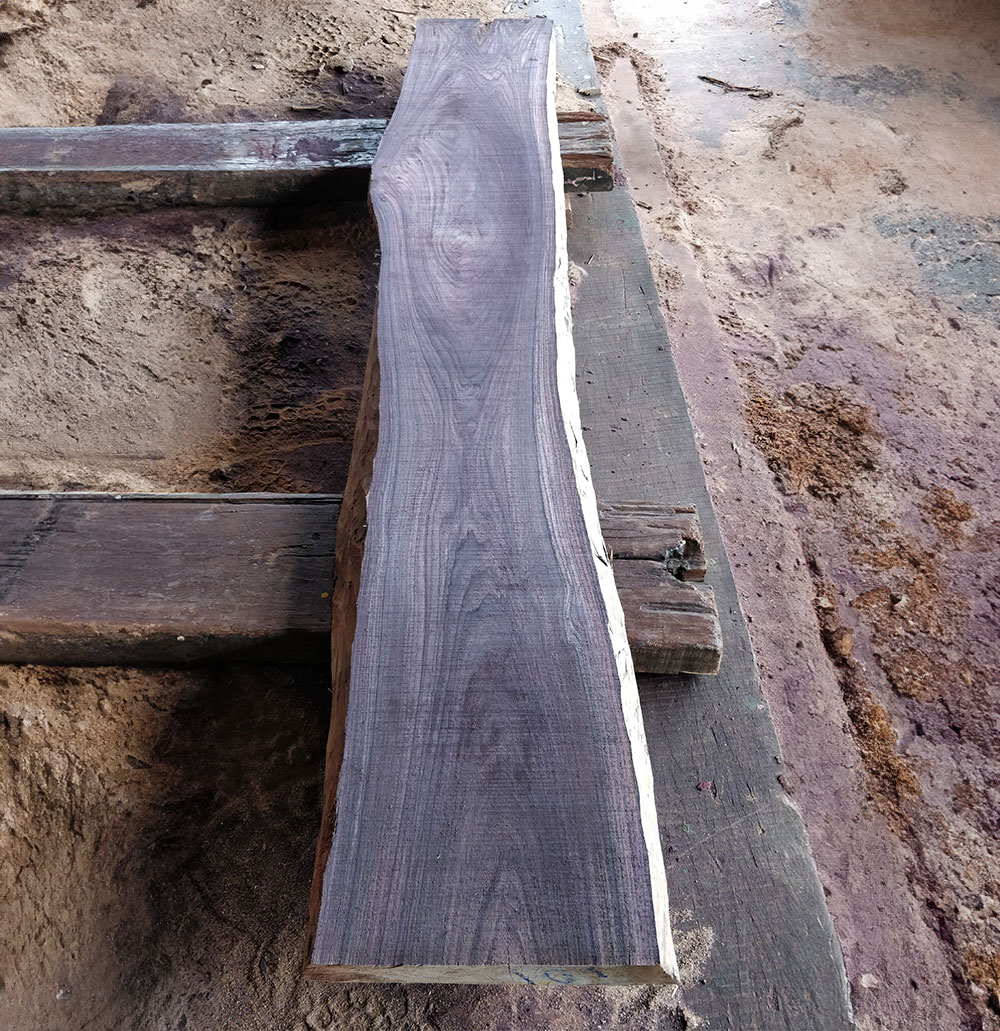
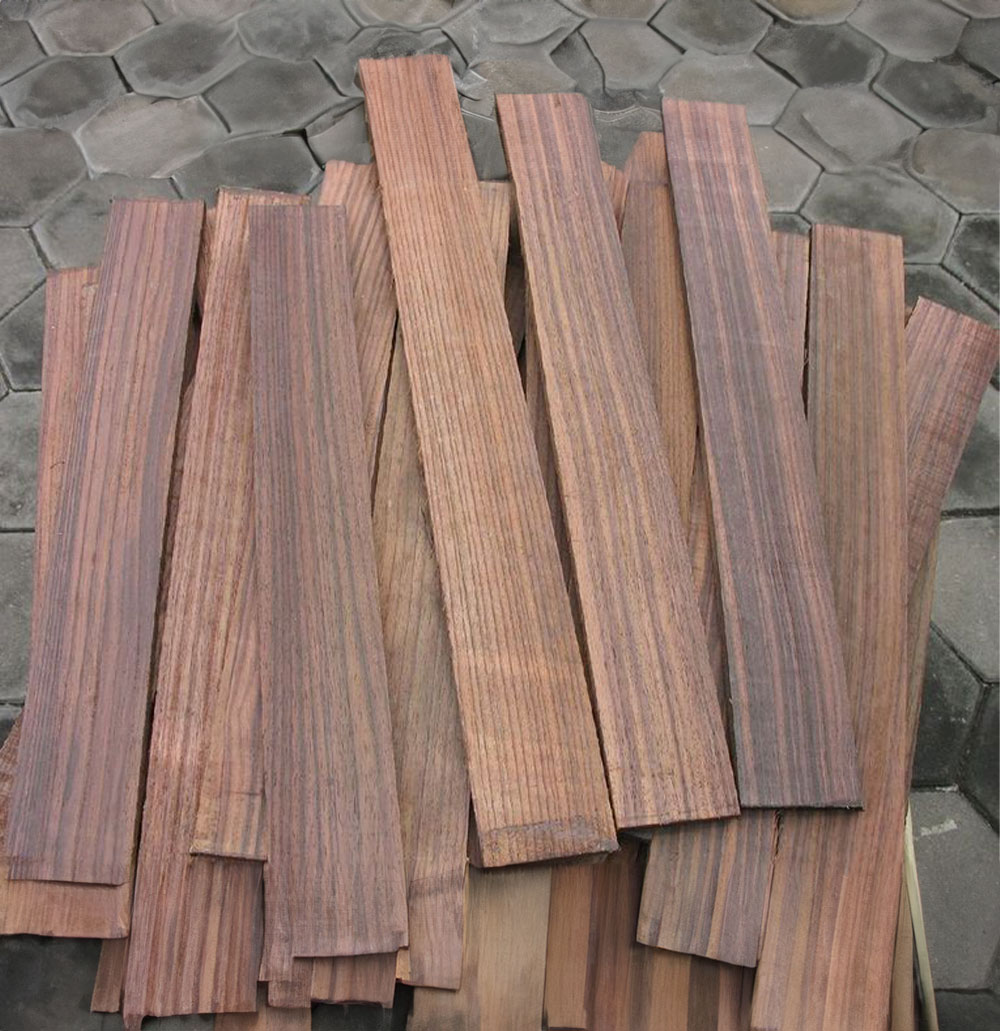
Kathwala supplies Indian Rosewood as sawn timber, planed planks and made-to-order products. Tell us the sizes and quantity and we will confirm grade, moisture content and price.
Indicative prices
Rosewood, per CFT by length. From our current price list, effective 1 April 2026, ex-godown.
| Length | Rate per CFT |
|---|---|
| 3 ft to 3 ft 9 in | ₹8,501 |
| 4 ft to 4 ft 9 in | ₹9,501 |
| 5 ft to 5 ft 9 in | ₹10,501 |
| 6 ft to 6 ft 9 in | ₹11,501 |
| 7 ft to 7 ft 9 in | ₹12,501 |
| 8 ft to 8 ft 9 in | ₹13,501 |
| 9 ft to 9 ft 9 in | ₹14,501 |
| 10 ft and longer | ₹15,501 |
These prices are indicative and come down for larger volumes. The final rate depends on grade, sizes and the stock on the day. GST (18%) and TCS (2%, not charged to consumers) are extra, as are delivery and any machining. For a firm quote, message us on WhatsApp or apply for a quote. We respond within 24 hours.
| Sawn timber | Thickness 25, 32, 38, 50, 63, 75 and 100 mm (1 to 4 inches); widths 100 to 300 mm; lengths 1.8 to 4.2 m (6 to 14 ft). Random widths and lengths, or cut to your sizes. |
|---|---|
| Planed (S4S) planks | Planed on all four sides to your finished size, for joinery and furniture making. |
| Panels and boards | Finger-jointed or edge-glued panels 18 to 40 mm thick, up to 1220 x 2440 mm, made to order. |
| Made from Indian Rosewood | Doors and frames, flooring, wall panels, mouldings and furniture, made to your drawings. |
| Response | We respond within 24 hours. |
Indian Rosewood is durable outdoors, so it also suits decking, cladding and garden furniture.
Buy Indian rosewood from Kolkata
Kathwala supplies Indian rosewood from Nimtalla Timber Market on Strand Road, Kolkata. You are welcome to visit and see the boards before you order.
In the Indian trade Indian rosewood is also asked for as East Indian rosewood, sitsal, beete, eetti and sonokeling. Sheesham is a different tree, Dalbergia sissoo.
For today’s Indian rosewood rate, send your sizes and quantity on WhatsApp, call or email us, or apply for a quote. We respond within 24 hours.
Made from Indian rosewood: Indian rosewood wall panels.
Colour, grain and figure
Colour
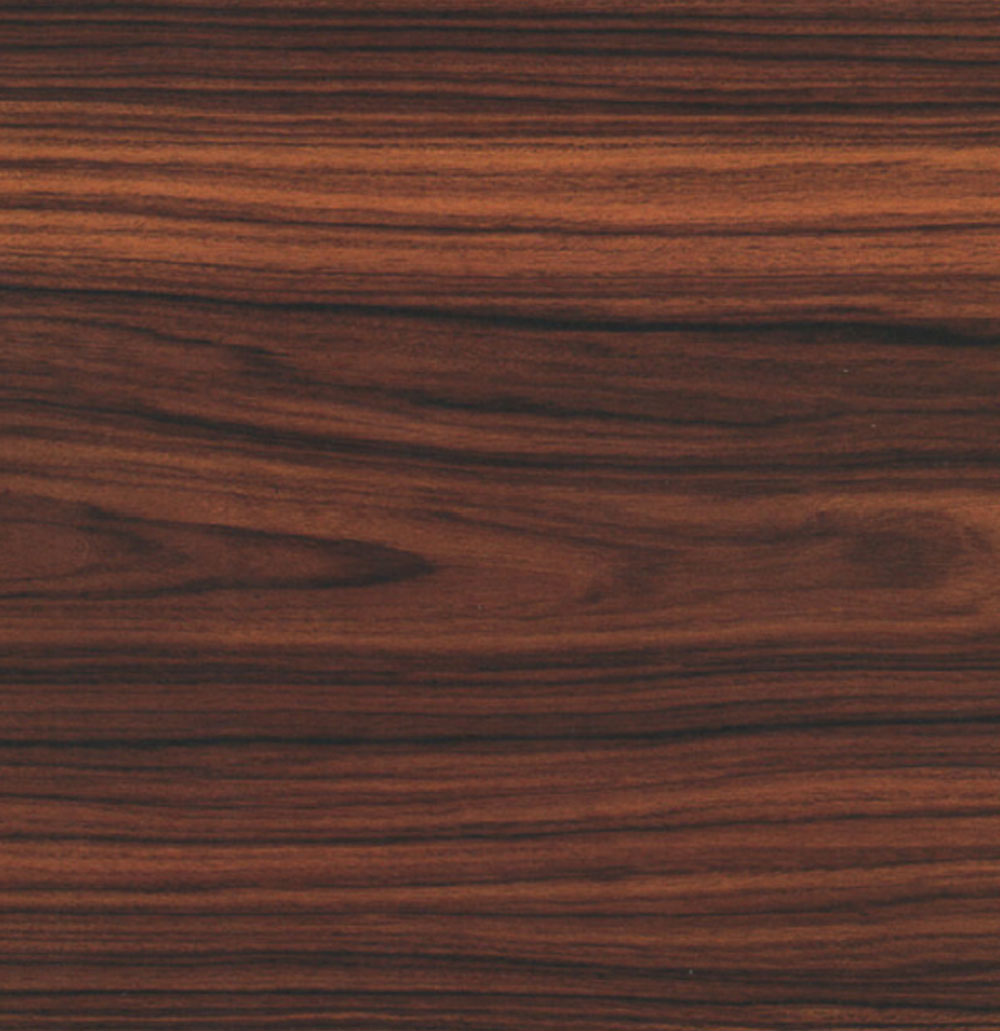
Golden to deep purplish-brown with darker, almost black streaks; darkens to a deep brown with age. Sapwood is pale and sharply defined.
Grain and texture
Usually interlocked; medium texture with good lustre.
How it ages
Deepens to a dark chocolate-purple.
Grain pattern: what to look for
- Flat-sawn face: Flowing, irregular lines and dark purple-black streaks through golden to purple-brown heartwood.
- Quartersawn face: Narrow, interlocked stripes with darker streaks; prized for guitar backs and veneers.
- Figure: The near-black streaks are the figure; some boards are wavy.
- Texture and knots: Moderately fine to rather coarse texture; knot-free in good grades.
For how grain, texture and figure work across all our woods, read our guide to types of wood grain.
Hardness, strength and density
Indian Rosewood has a Janka hardness of 2,350 lbf (10,440 N), which makes it very hard and 74% harder than white oak. Janka measures the force needed to press a 11.28 mm steel ball halfway into the wood, so it is a good guide to dent resistance in floors and furniture.
| Average dried weight (12% MC) | 855 kg/m³ |
|---|---|
| Specific gravity (basic / 12% MC) | 0.73 / 0.86 |
| Janka hardness | 2,350 lbf (10,440 N) |
| Modulus of rupture (bending strength) | 115.0 MPa |
| Modulus of elasticity (stiffness) | 12.3 GPa |
| Crushing strength | 61.3 MPa |
| Shrinkage, radial / tangential | 2.6% / 5.9% |
| Shrinkage, volumetric | 8.6% |
| T/R ratio | 2.3 |
Figures are typical published averages (green to oven-dry shrinkage; strength at 12% moisture). Individual boards vary. Source: The Wood Database, unless stated in the notes above.
Stability and movement
Indian Rosewood shrinks 8.6% in volume from green to oven-dry (2.6% radially, 5.9% tangentially). We rate its stability as excellent. For comparison, teak shrinks 7.2% and white oak 16.3%.
A high T/R ratio means flatsawn boards are prone to cupping; quartersawn or rift-sawn stock is the safer choice for wide boards and panels.
In practice: let boards acclimatise on site for one to two weeks before installation, and keep indoor humidity between 35% and 60%.
Durability and outdoor use
Very durable. Very durable with good termite resistance.
Our rating: suitable outdoors, even without treatment in many uses.
Working, gluing and finishing
Dense and interlocked, so it can be hard to plane; chalky deposits blunt tools. Turns and glues well; oily surfaces can slow some finishes.
Smell
A rose-like scent when worked.
Health and safety
Sensitiser; skin irritation is most common. As with all wood dust, use extraction and a mask when sanding or machining.
What Indian Rosewood is used for
- Fine furniture
- Carving and inlay
- Musical instruments
- Decorative veneer
- Doors and panels in heritage interiors
What we make from Indian Rosewood
- Furniture and joinery
- Wood wall panels
- Wood doors and door frames
See photos and sizes on our Indian Rosewood product page.
Sustainability, price and sourcing
CITES Appendix II (genus-wide for Dalbergia, including finished items over 10 kg). IUCN Red List: Vulnerable. Indian rosewood can leave India only as veneer or finished products, not as logs or sawn timber, and any finished item with more than 10 kg of rosewood needs CITES permits. See our guide to Indian rosewood export rules, and read why Indian rosewood is so expensive.
Price: High and rising.
Every export order ships with a commercial invoice, packing list, certificate of origin and phytosanitary certificate. For CITES-listed species we ship only with valid CITES permits.
What decides the price of Indian rosewood
Timber in India is sold by the cubic foot (CFT). The indicative rates are listed above, but the rate changes with each shipment and with what you order. These are the things that move the Indian rosewood price:
- Supply: Indian rosewood is a protected, slow-growing tree sold mainly through government depots, which is the main reason for its price. Read why Indian rosewood is expensive.
- Grade: clear boards without knots or sapwood cost more than boards with them.
- Width and length: wide and long boards come from bigger logs and cost more per cubic foot.
- Thickness and cut: thick sections and quartersawn boards cost more than standard flat-sawn stock.
- Seasoning: kiln-dried timber costs more than air-dried timber and moves less once it is made up.
- Form: planed, finger-jointed or profiled timber costs more than rough sawn timber.
Send us a cutting list on WhatsApp or apply for a quote for today’s rate. We respond within 24 hours.
Vastu and feng shui
What the tradition says
Shisham (Dalbergia sissoo, “sisoo”) appears in traditional Vastu lists of timbers suitable for houses, and Indian rosewood belongs to the same genus. It is widely treated as an auspicious, long-lasting wood for furniture and doors.
Applying Vastu principles
Indian Rosewood is a heavy, red or purple-brown wood. Applied to modern Vastu practice, it suits the south, south-west and west of a room or building, where Vastu places heavier, darker elements. Many practitioners also prefer a single species throughout a house, or no more than two or three.
Feng shui
In feng shui, all timber belongs to the Wood element, associated with growth and vitality and with the east and south-east. By colour, Indian Rosewood also carries Fire energy (red, pink and purple), which the classical bagua links to the south and to warmth, energy and recognition. A practical reading: use Indian Rosewood where you want to add warmth, or to balance a room that feels short of it.
These notes are cultural and design guidance, not scientific claims. Where we interpret general principles rather than quote a text, we say so.
Indian Rosewood compared with similar woods
| Species | Janka (lbf) | kg/m³ | Vol. shrinkage | Durability |
|---|---|---|---|---|
| Indian Rosewood | 2,350 | 855 | 8.6% | Very durable |
| American Walnut | 1,010 | 610 | 12.8% | Durable |
| Wenge | 1,930 | 870 | 13.3% | Very durable |
| Padauk | 1,710 | 745 | 7.9% | Very durable |
Caring for Indian Rosewood
- Clean floors and panels with a dry or barely damp mop; avoid standing water and steam mops.
- Use felt pads under furniture and mats at entrances to cut grit wear.
- Oil finishes need a maintenance coat every one to three years in busy areas; lacquered surfaces can be screened and recoated.
- Shield from strong direct sun if you want to slow colour change.
Indian Rosewood FAQ
Is Indian Rosewood a hardwood or a softwood?
Indian Rosewood is a hardwood. Its average dried weight is 855 kg/m³, which makes it heavy.
How hard is Indian Rosewood?
Indian Rosewood has a Janka hardness of 2,350 lbf (10,440 N). That is 74% harder than white oak.
Is Indian Rosewood good for flooring?
It is better suited to fine furniture, carving and inlay than to busy floors. For floors we usually recommend white oak, teak or merbau.
Can Indian Rosewood be used outdoors?
Very durable: suitable outdoors, even without treatment in many uses. Very durable with good termite resistance..
Is Indian Rosewood dimensionally stable?
Its stability is excellent, with 8.6% volumetric shrinkage and a T/R ratio of 2.3.
Does Indian Rosewood change colour over time?
Deepens to a dark chocolate-purple.
Is Indian Rosewood good for Vastu?
Shisham (Dalbergia sissoo, “sisoo”) appears in traditional Vastu lists of timbers suitable for houses, and Indian rosewood belongs to the same genus. It is widely treated as an auspicious, long-lasting wood for furniture and doors.
Can I buy Indian Rosewood from Kathwala for export?
Yes. We supply Indian Rosewood as sawn timber and as finished products such as furniture and joinery, wood wall panels. Use the form on this page for a quote; we respond within 24 hours.