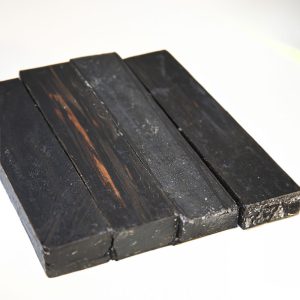
Colour, grain, hardness, stability and durability for the 34 timbers we stock and machine, with notes on uses, sourcing, Vastu and feng shui. Every figure is sourced, and every species links to a full reference page.
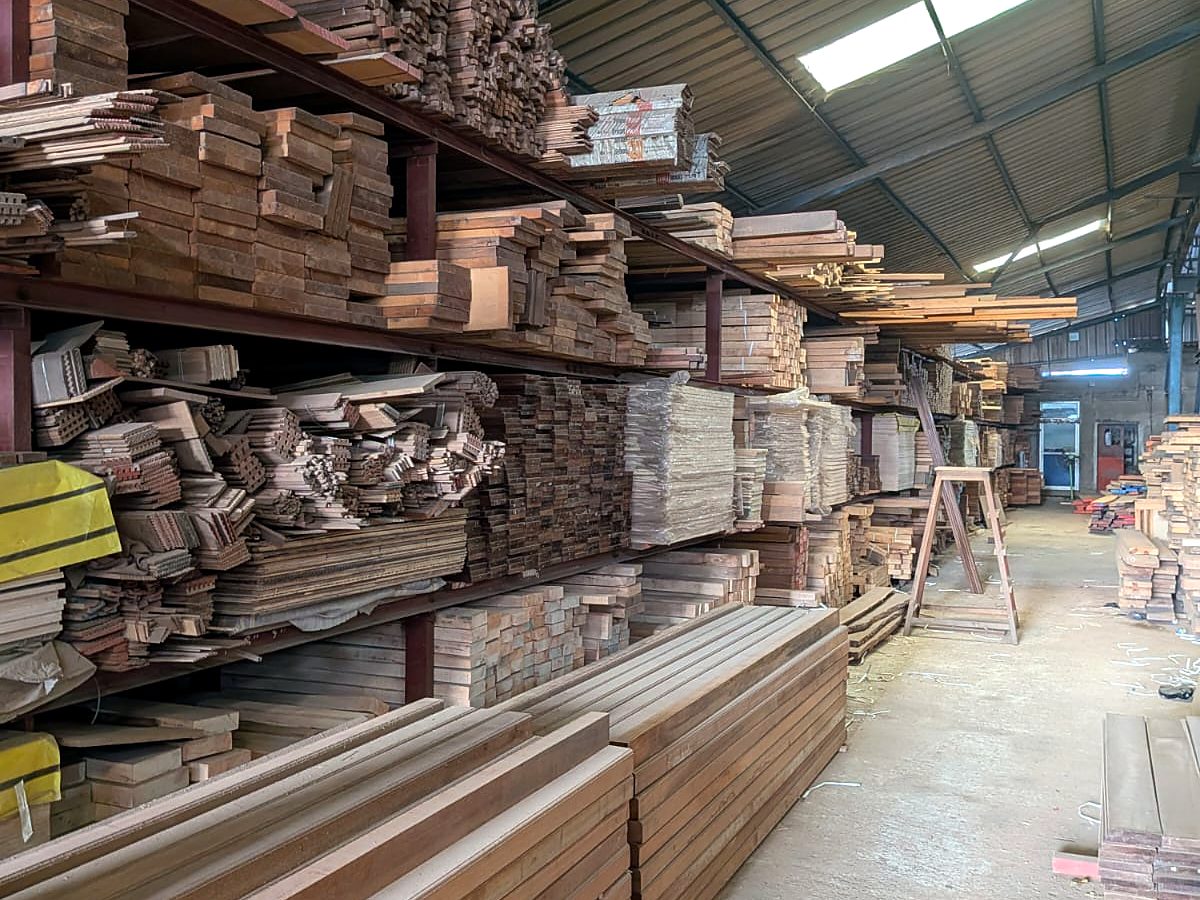
Filter by colour, type or outdoor durability. Click a species for its full reference page.
| Species | Janka (lbf) |
|---|---|
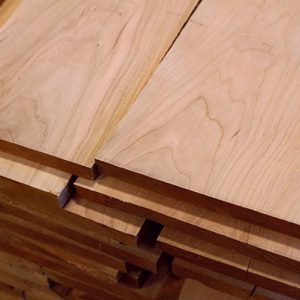 American CherryPrunus serotina | 950 |
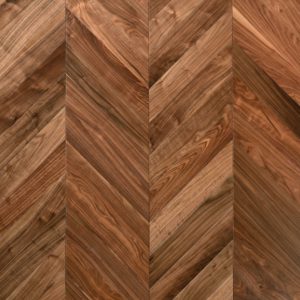 American WalnutJuglans nigra | 1,010 |
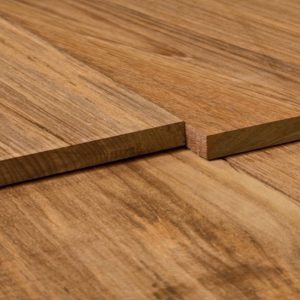 Burma TeakTectona grandis | 1,070 |
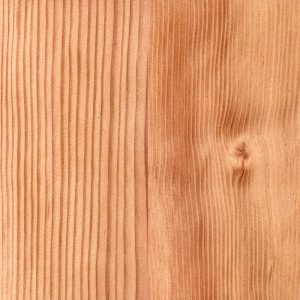 Douglas FirPseudotsuga menziesii | 620 |
| 3,080 | |
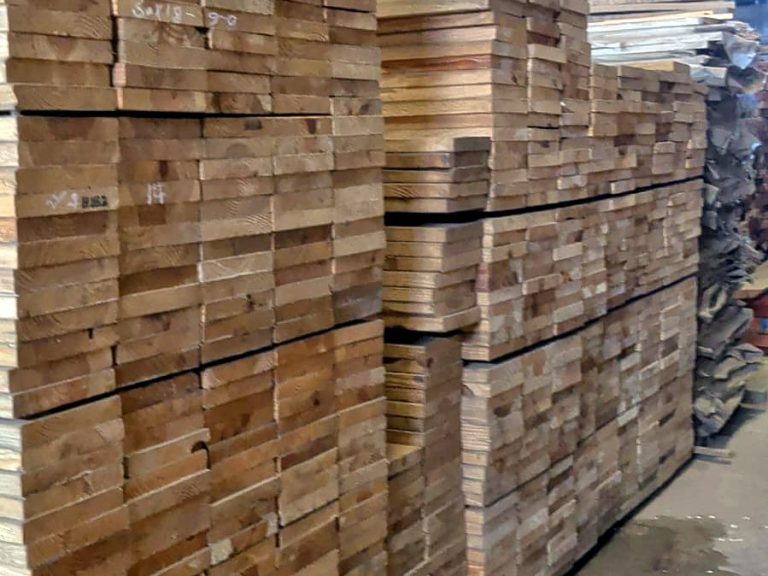 European AshFraxinus excelsior | 1,480 |
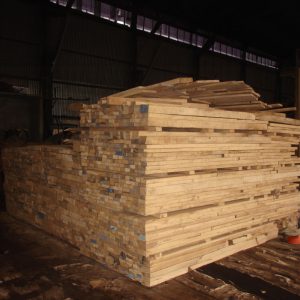 Gmelina (Gamari)Gmelina arborea | – |
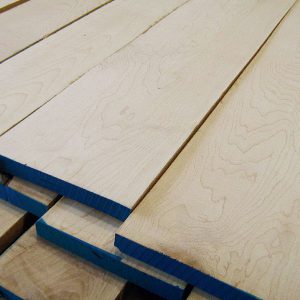 Hard MapleAcer saccharum | 1,450 |
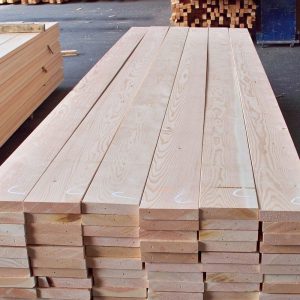 HemlockTsuga heterophylla | 540 |
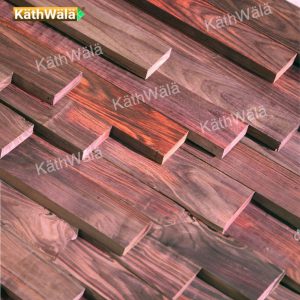 Indian RosewoodDalbergia latifolia | 2,350 |
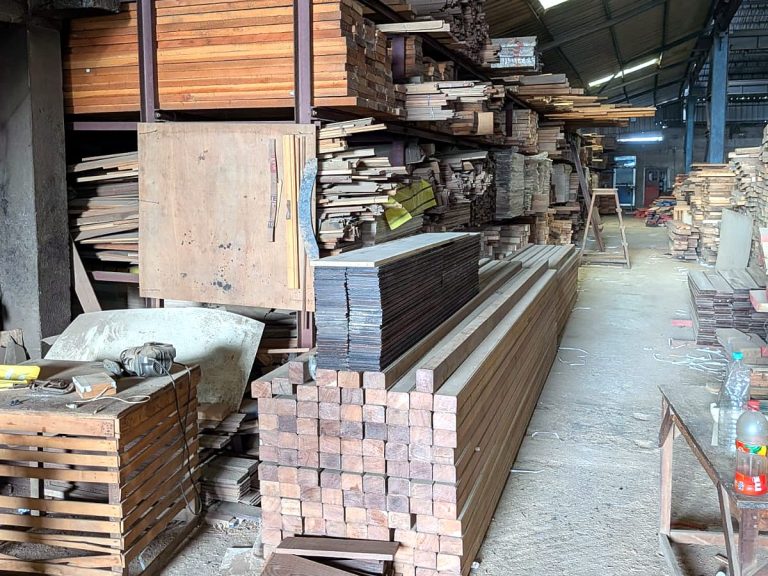 IrokoMilicia excelsa, M. regia | 1,190 |
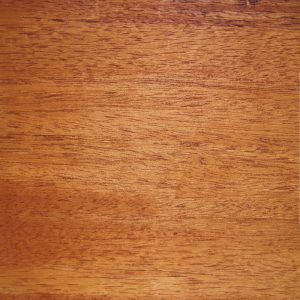 KapurDryobalanops spp. (mainly D. aromatica) | – |
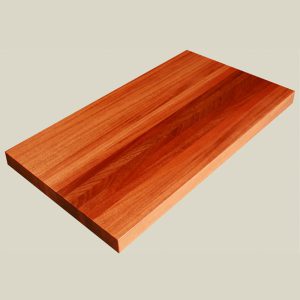 MahoganyKhaya spp. (African mahogany) | 850 |
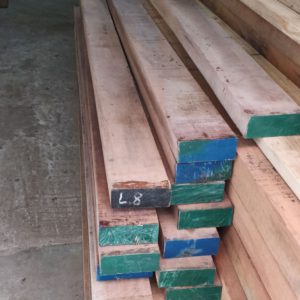 Malaysian SalShorea spp. (balau / selangan batu group) | 1,600 |
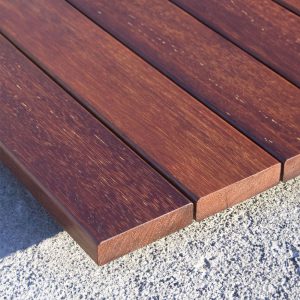 MerbauIntsia bijuga, I. palembanica | 1,840 |
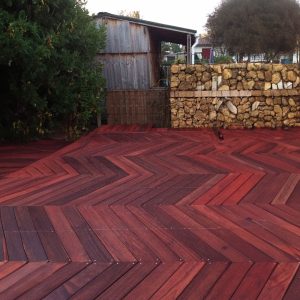 PadaukPterocarpus soyauxii | 1,710 |
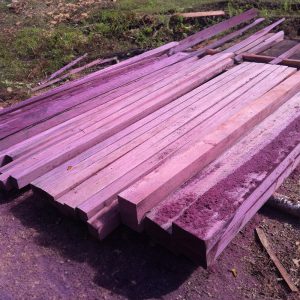 PurpleheartPeltogyne spp. | 2,520 |
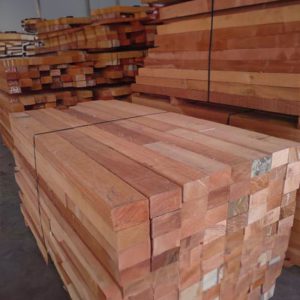 Red MerantiShorea spp. | 800 |
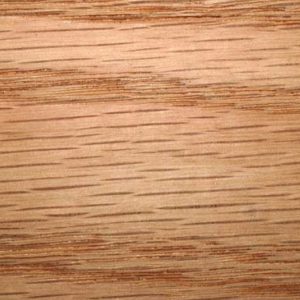 Red OakQuercus rubra | 1,220 |
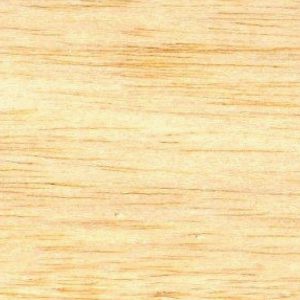 RubberwoodHevea brasiliensis | 960 |
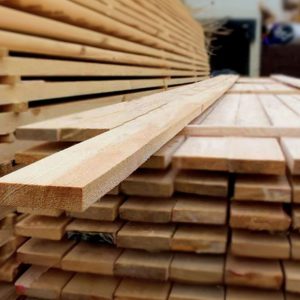 SPF (Spruce-Pine-Fir)Picea, Pinus and Abies spp. | – |
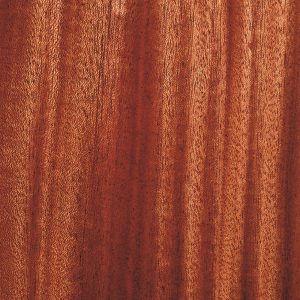 SapeleEntandrophragma cylindricum | 1,360 |
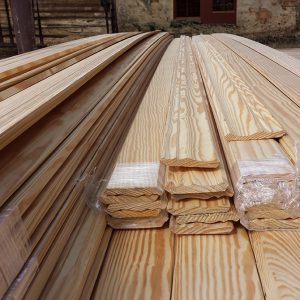 Southern Yellow Pine (SYP)Pinus palustris, P. taeda, P. elliottii, P. echinata | 870 |
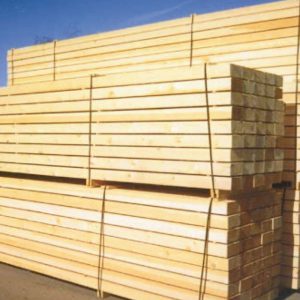 SprucePicea abies | 380 |
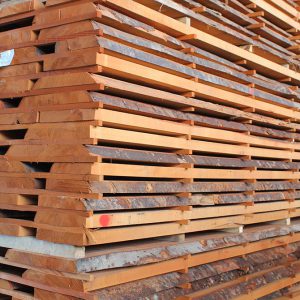 Steamed BeechFagus sylvatica | 1,450 |
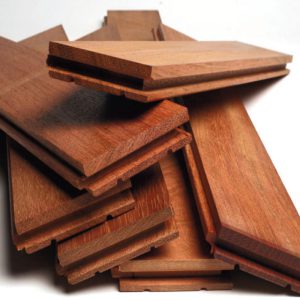 SucupiraBowdichia nitida, B. virgilioides | 3,060 |
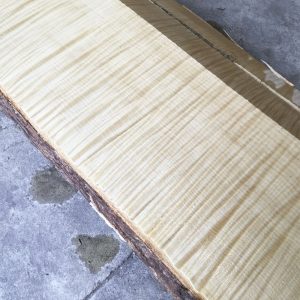 SycamoreAcer pseudoplatanus | 1,050 |
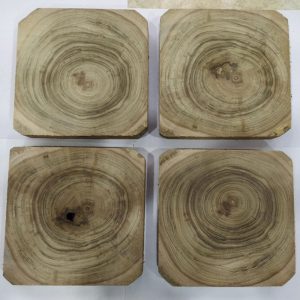 TeakTectona grandis | 1,070 |
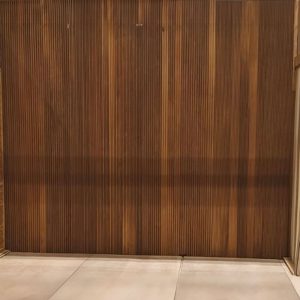 Thermo-Treated BeechFagus sylvatica (thermally modified) | – |
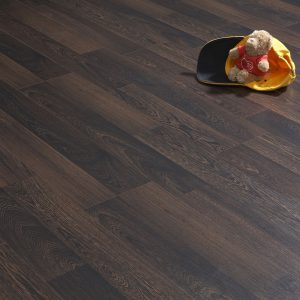 WengeMillettia laurentii | 1,930 |
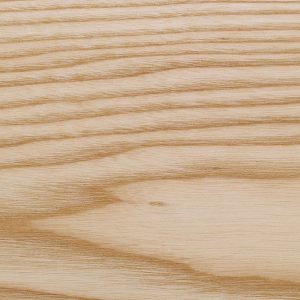 White AshFraxinus americana | 1,320 |
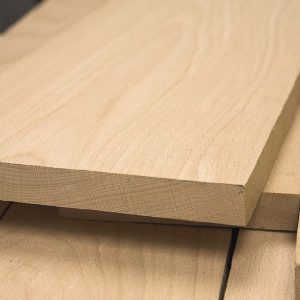 White BeechFagus sylvatica | 1,450 |
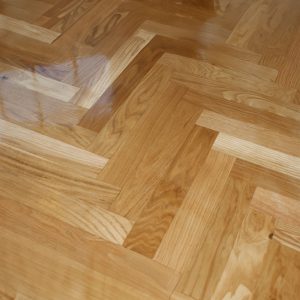 White OakQuercus alba | 1,350 |
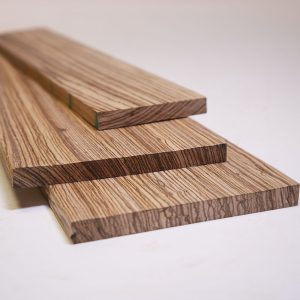 ZebranoMicroberlinia brazzavillensis | 1,830 |
The Brihat Samhita (chapter 53, on house building) gives the clearest rules. Verse 86 says the wood of thorny trees, milky-sap trees and fruit trees should be rejected for house construction. Verse 87 lists trees to grow near a house, including sala (sal, Shorea robusta) and panasa (jackfruit). Verse 120 forbids felling trees that hold birds’ nests, trees that are dried, broken or burnt, trees from cremation grounds, and named species such as margosa (neem).
Later Vastu manuals and present-day practice add favoured timbers such as teak, sal, shisham (Dalbergia sissoo), deodar and sandalwood, and advise using one species throughout a house where possible.
Most imported timbers are not mentioned in any classical text. On each species page we say clearly whether a statement comes from a text, from common practice, or from our own reading of general principles such as placing heavier, darker woods in the south and south-west and lighter woods in the north and north-east.
Feng shui treats all timber as the Wood element, linked to growth and to the east and south-east. A wood’s colour adds a second element: pale woods read as Metal, golden and brown woods as Earth, red and purple woods as Fire, and very dark woods as Water. Each species page gives this reading.
For most projects: white oak, teak, merbau or hard maple. They combine hardness above 1,000 lbf with good stability. For very heavy traffic, consider sucupira or merbau.
Teak, iroko, merbau, padauk, purpleheart, ebony, wenge, rosewood and sucupira are rated very durable. Use the Outdoor-durable filter above.
Teak (7.2% volumetric shrinkage), rubberwood (7.5%), padauk (7.9%), merbau (8.0%), Indian rosewood (8.6%) and iroko (8.8%).
Ebony (3,080 lbf) and sucupira (3,060 lbf), followed by purpleheart (2,520 lbf) and Indian rosewood (2,350 lbf).
Teak and sal are the most commonly recommended in Indian practice, along with shisham and other rosewoods. Classical texts advise against wood from thorny, milky-sap and fruit trees. See each species page for details.
Tell us where it is going and how it will be used. We will recommend two or three species with prices.