
EUDR Explained for Furniture and Wood Buyers
The EU Deforestation Regulation for timber, plywood, joinery and furniture: dates, who does what, the 2026 changes, and a checklist for buyers sourcing from outside the EU.

In this article
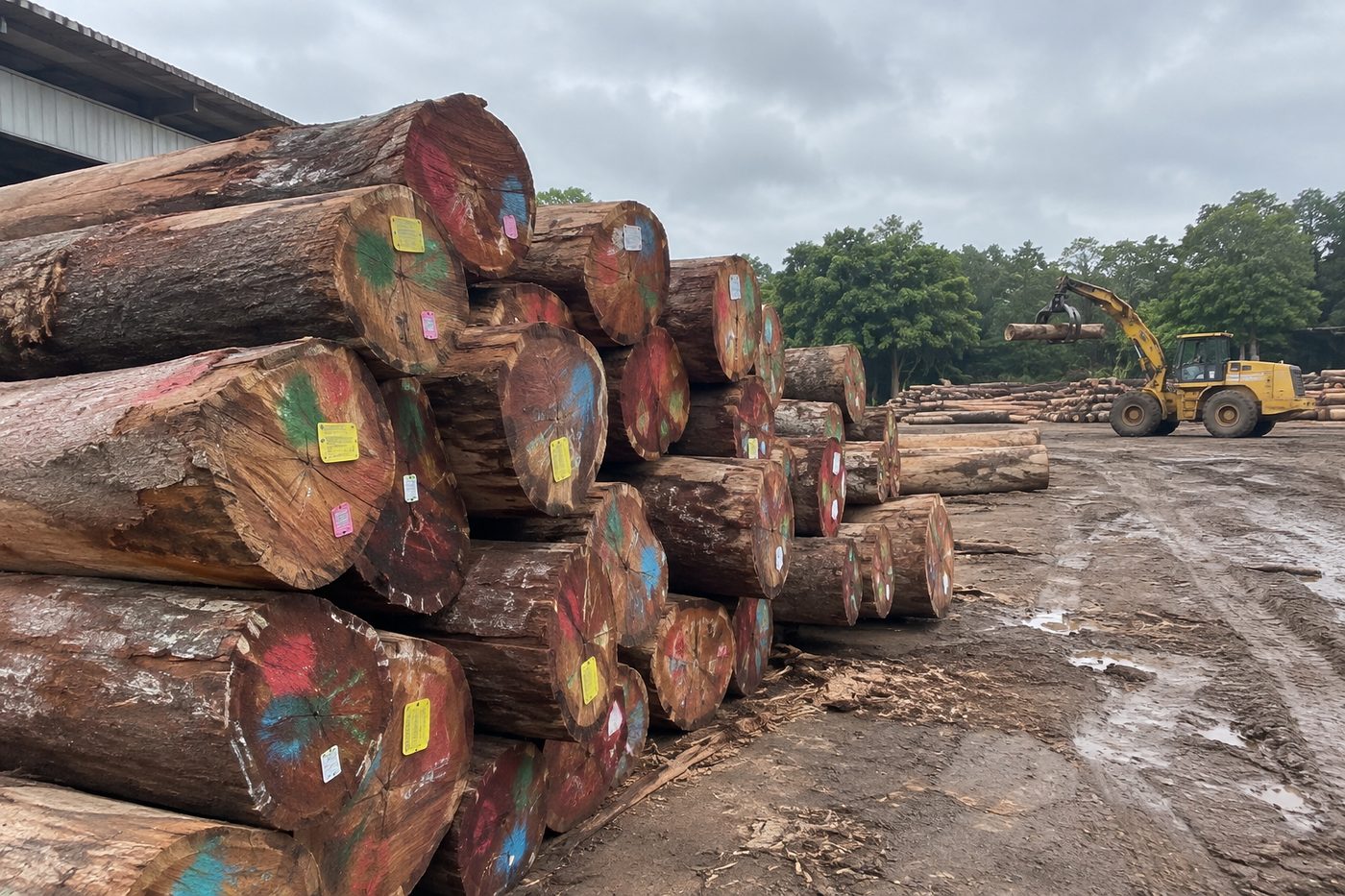
The EU Deforestation Regulation (EUDR) applies to wood products from 30 December 2026 for most companies. From that date, an EU company placing timber, plywood, joinery or wooden furniture on the EU market must show, through a due diligence statement, that the wood was harvested legally and not from land deforested after 31 December 2020, with the geolocation of every forest plot it came from. This explainer is for procurement teams buying wood products from outside the EU, including from India.
The short version:
- Dates: 30 December 2026 for medium and large companies and for micro and small companies in the timber sector; 30 June 2027 for other micro and small companies.
- Products: timber in Annex I, including logs, sawn wood, plywood, joinery, flooring and wooden furniture.
- Key data: species, quantity, supplier, and geolocation of the harvest plots for every wood component.
- Risk: judged by the country of harvest. India is low risk, but imported timber takes its own country’s rating.
Who does what
| Party | Obligation |
|---|---|
| EU operator (first to place the product on the EU market) | Collects the information, assesses and mitigates risk (simplified for low-risk countries), and files a due diligence statement in the EU Information System before import |
| EU traders further down the chain | Keep the reference numbers; large traders have additional duties |
| Non-EU manufacturer (e.g. in India) | No direct legal obligation, but must supply the data the operator needs |
| Forest owner or sawmill | Holds the geolocation and harvest records that everyone else depends on |
A non-EU company that wants to act as the operator itself needs an EORI number from an EU member state, or an authorised representative in the EU.
What changed in 2026
The application date was delayed twice, most recently to 30 December 2026. On 4 May 2026 the Commission published a simplification package: a review, new guidance, FAQs, and draft changes to the product scope and the Information System. It did not reopen the legal text or move the dates. Several practical points were clarified:
- Composite products need geolocation for every wood component; where the exact species is unknown, all possible species must be listed.
- Furniture made entirely from recycled or demolition timber is out of scope.
- Packaging used only to carry another product is out of scope.
- The EU Timber Regulation still applies to timber harvested before 29 June 2023 and placed on the market until the end of 2029.
What this means for furniture made in India
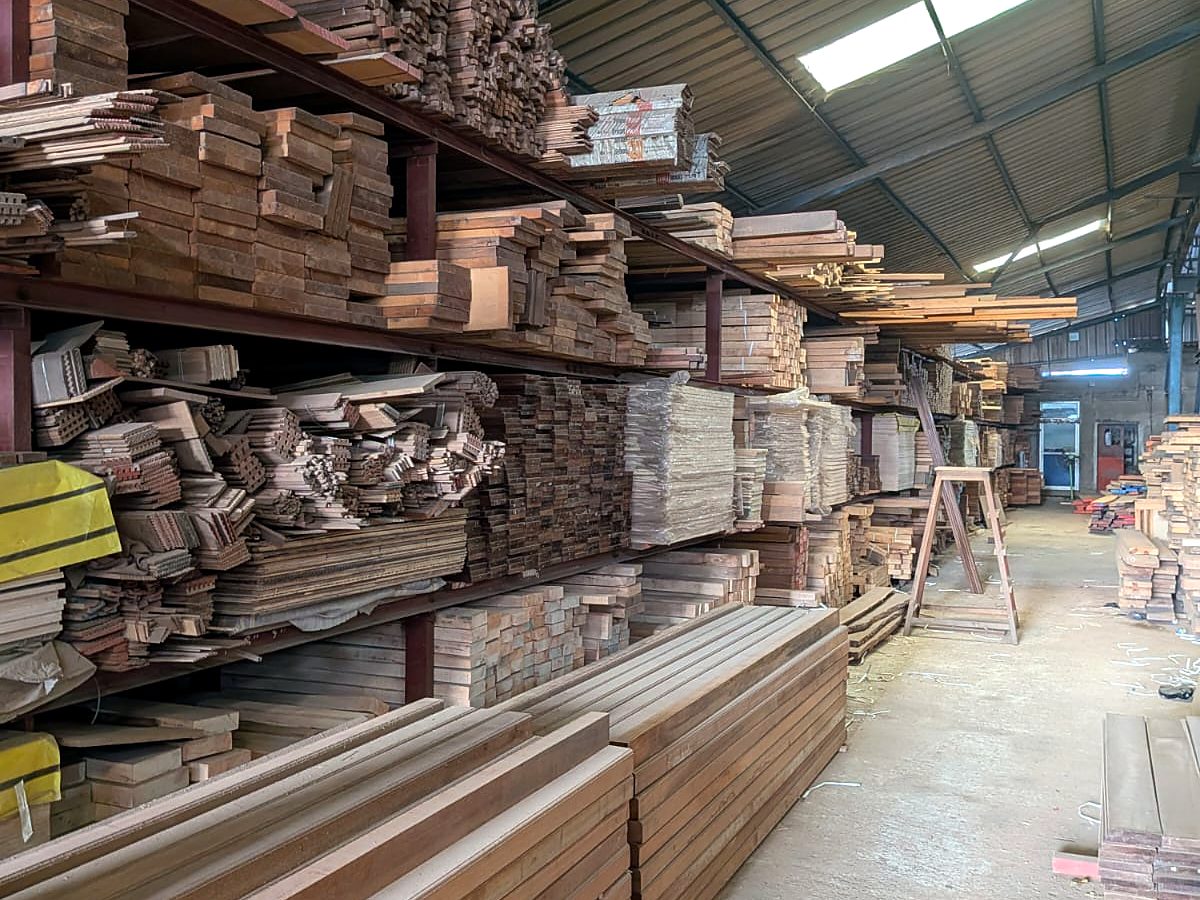
Most hardwood in Indian export furniture is imported: US oak and walnut, African sapele and iroko, plantation teak. The geolocation has to come from those forests, through the sawmill and the importer, to the furniture maker. A product with three species may need three sets of plots.
Plan for it at the order stage: agree which species, which suppliers, and who collects the data.
We document species and origin for each component and can work with your EUDR process. We respond within 24 hours.
A buyer’s checklist
- Map your products to Annex I and list the wood components in each.
- Fix the species in the specification; avoid “mixed hardwood”.
- Ask for geolocation early, with a named source for each species.
- Check country risk by harvest origin; high-risk countries include Russia, Belarus and Myanmar.
- Keep certification in context. FSC or PEFC certificates help with legality and risk assessment but do not replace geolocation.
- Register in the EU Information System and test a statement before the first shipment.
For duty and origin rules in the same markets, see importing wood products from India into the UK, EU and UAE, and for US buyers US tariffs on Indian wood products.
Frequently asked questions
When does EUDR apply to wood?
From 30 December 2026 for medium and large companies and for micro and small companies in the timber sector; from 30 June 2027 for other micro and small companies.
Does EUDR apply to furniture?
Yes, wooden furniture is in Annex I. Furniture made only from recycled or demolition timber is out of scope.
Is India a high-risk country under EUDR?
No. India is classed as low risk in the May 2025 benchmarking. Risk follows the country where the timber was harvested.
Does FSC certification mean EUDR compliance?
No. It helps show legality and lower risk, but the operator still needs geolocation and a due diligence statement.
Who files the due diligence statement?
The EU operator that first places the product on the EU market, or its authorised representative.
The bottom line
EUDR is mostly a data problem: species and plot-level origin for every wood component, collected before the goods ship. Start with your highest-volume products, fix the species, and ask suppliers now. See our timber and materials and species guide.
Tell us your products and we will set out the species and origin data we can supply. We respond within 24 hours.
Keep reading in Trade, Tariffs & Customs
- Can You Export Indian Rosewood? CITES, India’s Export Rules and What Actually HappensIndian rosewood can leave India as veneer and finished products, not as logs or sawn timber. The CITES…
- India–UK Trade Deal and EUDR: Buying Wood Products from India for the UK, EU and UAEDuty, origin rules and paperwork for buying wooden furniture, doors, flooring and panels from India for the UK,…
- US Tariffs on India in 2026: What They Mean for Wood Products and FurnitureUS tariffs on Indian wooden furniture, cabinets, doors and millwork as of November 2026: Section 301, Section 232,…
Sanjeev KhemkaWrites about timber, woodworking and trade for Kathwala, which supplies hardwood timber, plywood and panels and makes solid wood furniture and millwork to order. Questions? Get in touch.