
EU Green Claims Rules: What “Eco-Friendly” Wood and Furniture Can Still Say
EmpCo, the EU’s green claims rules, has applied since 27 September 2026. What wood and furniture listings can still say, and how FSC and PEFC labels have changed.

In this article
- What changed on 27 September 2026
- Wording to drop, and what to say instead
- FSC and PEFC labels after EmpCo
- Does EmpCo apply to business-to-business sales?
- Where EU countries stand
- Products already in the warehouse
- How EmpCo fits with the EUDR
- What to ask your wood and furniture suppliers
- Frequently asked questions
- The bottom line
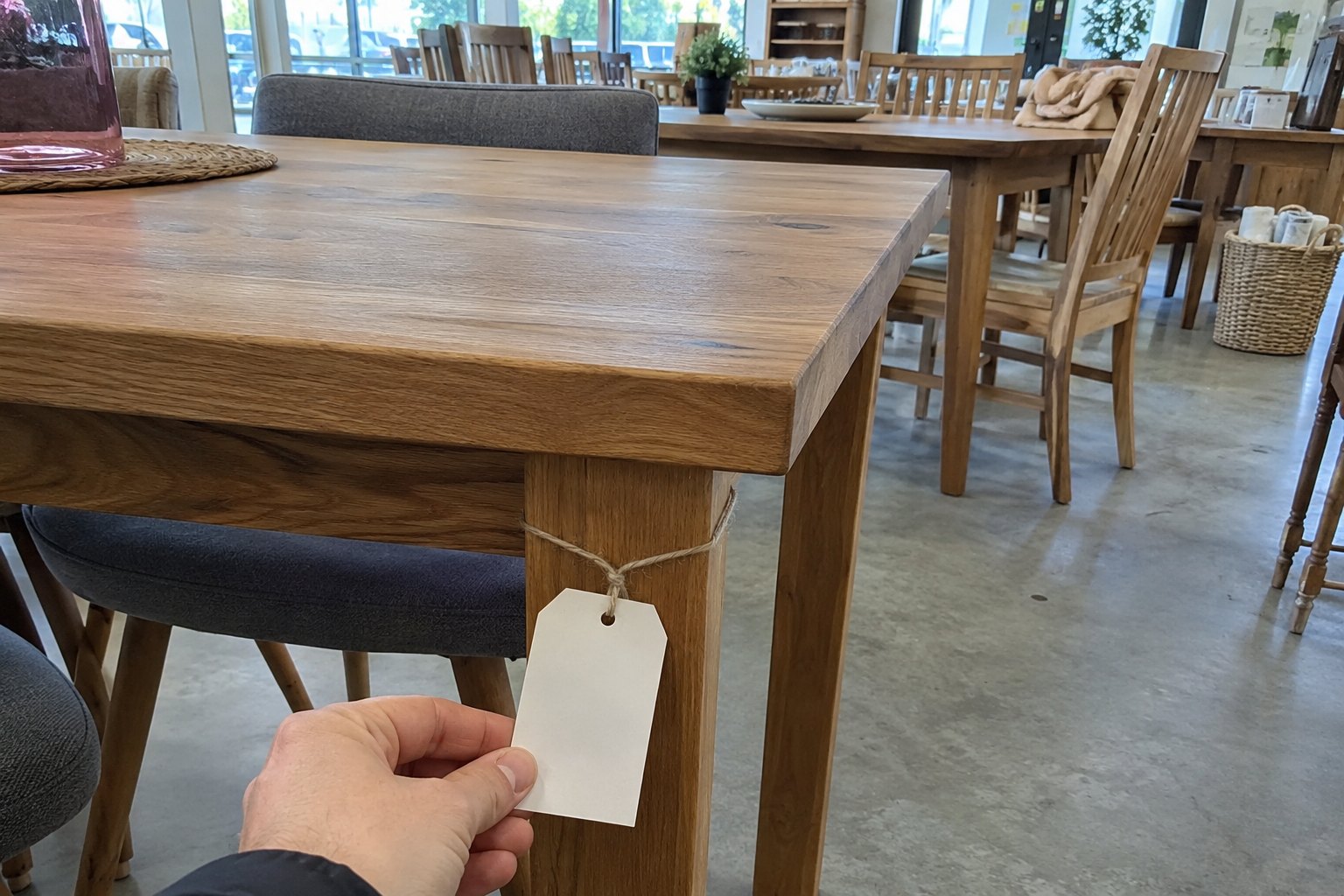
Since 27 September 2026, a wooden table sold to consumers in the EU can no longer be called “eco-friendly”, “green” or “sustainable” on its own. The EU’s Empowering Consumers Directive (EmpCo, Directive 2024/825) bans generic environmental claims, sustainability badges that are not backed by a third-party certification scheme, and “climate neutral” claims that rely on offsets. FSC and PEFC labels remain allowed, but both schemes have rewritten their trademark rules in 2026 to fit. This guide sets out what changed, what wood and furniture listings can still say, and what to ask your suppliers for.
The short version:
- EmpCo has applied across the EU since 27 September 2026, with no transition period, including to stock already on shelves.
- Banned: generic claims such as “eco-friendly” or “green” without proof of recognised excellent environmental performance; home-made sustainability badges; whole-product claims that are true of only one part; product “carbon neutral” claims based on offsetting.
- Still allowed: specific, provable statements (“solid oak from FSC-certified forests, licence code …”) and labels from a third-party certification scheme such as FSC or PEFC, used under their rules.
- FSC: the “Forests For All Forever” marks were retired by September 2026; every online product listing needs the full promotional panel or its mandatory elements.
- PEFC: a revised Trademarks Rules standard has applied since 5 October 2026, with a transition to 2 October 2028.
This is written for specifiers and buyers: purchase teams at retailers, importers and contract furniture companies selling into the EU, and the architects and interior designers who write product descriptions into specifications and client documents. It is a summary, not legal advice, and enforcement is national, so check the rules in each country you sell in. It sits alongside our EUDR explainer, which covers the separate deforestation rules that apply to wood products from 30 December 2026.
What changed on 27 September 2026
EmpCo amends the EU’s Unfair Commercial Practices Directive. Member States had to adopt national rules by 27 March 2026 and apply them from 27 September 2026. It adds new practices to the list that is banned in all circumstances, so a regulator does not need to show that a shopper was actually misled.
| Now banned | What it means for wood and furniture |
|---|---|
| Generic environmental claims | “Eco-friendly teak bench”, “green plywood”, “sustainable dining table”, unless the seller can show recognised excellent environmental performance, which in practice means the EU Ecolabel or an officially recognised ISO 14024 type I ecolabel. |
| Sustainability labels not based on a certification scheme | An in-house leaf badge or “responsibly sourced” seal on a bed or chopping board. Labels must come from a third-party scheme or a public authority. |
| Whole-product claims about one part | “Made from recycled wood” on a wardrobe when only the back panel or the packaging is recycled. |
| Carbon-neutral claims based on offsets | “Climate neutral sofa” because the maker bought carbon credits. Product claims must reflect the actual life-cycle impact. |
| Presenting legal requirements as a selling point | Advertising something every product must do by law as if it were special to this one. |
“Environmental claim” is read widely. It covers text, pictures, symbols and colour schemes, and even a product or brand name if it gives the average shopper an environmental impression. The Commission’s own Q&A gives “natural” and “green” in a product name as examples that can count.
What is still allowed
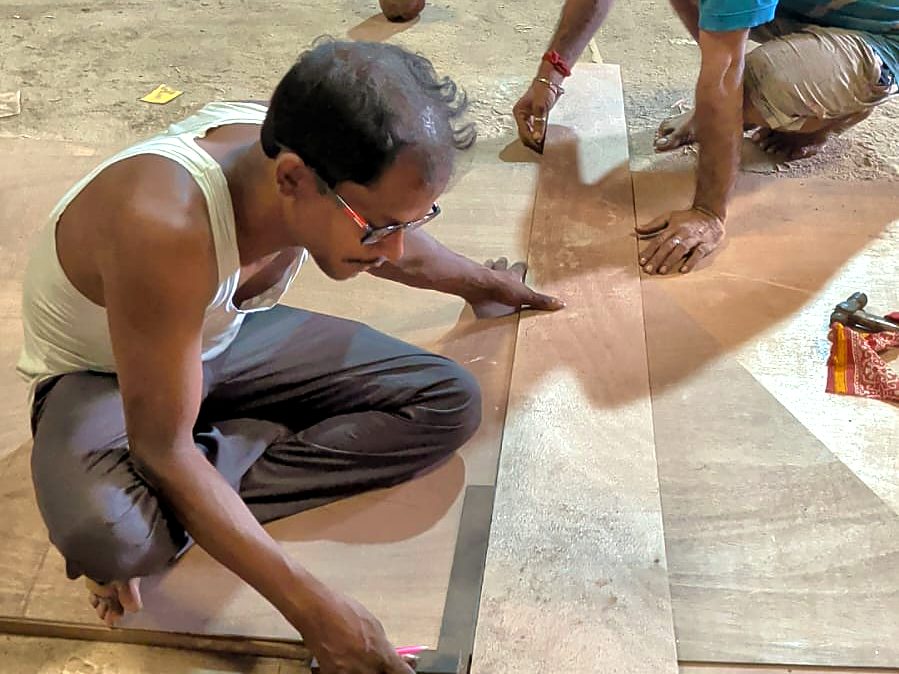
EmpCo does not ban talking about wood’s environmental qualities. It bans vague talk. A claim is not generic if the specific facts behind it are stated clearly on the same label, page or advert.
So “responsibly made” is out, but “white oak from FSC-certified forests, with the licence code, water-based lacquer, no MDF” is fine if every part of it is true and you can prove it.
Wording to drop, and what to say instead
| Common wording | Status under EmpCo | Specific alternative (only if true and provable) |
|---|---|---|
| “Eco-friendly furniture” | Banned without recognised excellent performance | “Solid walnut, no particleboard, finished with a water-based lacquer” |
| “Sustainable timber” | Generic | “Teak from FSC-certified plantations”, with the licence code and website |
| “Natural wood”, “green” in a product name | Can be an environmental claim if it suggests a benefit | Describe the material: “solid sapele”, “rubberwood finger-jointed panel” |
| Own “planet-friendly” badge | Banned (no certification scheme) | Remove it; use an FSC or PEFC label only if you hold the right to |
| “100% recycled” | Banned if only part is recycled | “Packaging made from 100% recycled cardboard” |
| “Carbon neutral table” | Banned if based on offsets | Describe the project you fund, separately and accurately |
| “Low-VOC finish” | Specific, but must be backed by test data | State the standard and result, e.g. E1 emission class, and keep the report on file |
| “Deforestation-free, EUDR compliant” | Risky as a headline: EUDR is a legal duty for every product | Keep it in the due diligence file; say what is specific, such as the species and country of harvest |
Most of this is about how a product page or hang tag is written, not about the product. A well-documented dining table in oak or teak has plenty to say: the species, where it grew, the joinery, the finish and how to look after it. Our guides to wood joints and wood polish types cover the details buyers ask about.
Send us your product list. We give the species, origin and finish data for each item we make, and we respond within 24 hours.
FSC and PEFC labels after EmpCo
FSC and PEFC are third-party certification schemes, so their labels count as sustainability labels that EmpCo still allows. Both have tightened their rules on how the marks are used.
FSC
A revised trademark standard, FSC-STD-50-001, was published in January 2026 and took effect in July 2026. Certificate holders have until January 2029 to move to it, but FSC asked companies selling in the EU to align by September 2026.
The “Forests For All Forever” marks were retired, because FSC judged the slogan too broad. In e-commerce, each product listing counts as a separate promotional use and needs the full promotional panel or all its mandatory elements: the promotional text, the licence code and the FSC website.
PEFC
PEFC ST 2001:2020, Second Edition, the PEFC Trademarks Rules, came into force on 5 October 2026. Existing users have until 2 October 2028 to switch.
Labels must now carry the PEFC website address, with limited exceptions. There are clearer rules for off-product use, including the PEFC initials, and for showing exactly which product or component a mark refers to. On 27 October PEFC also announced a wider revision of its system, and it is recruiting experts to revise its chain of custody and trademarks standards.
Who can use the marks
Only an organisation with a valid certificate or a promotional licence can use the FSC or PEFC trademarks, and on-product labels need an unbroken chain of custody. A retailer reselling certified bedroom furniture without its own licence cannot add the logo to its website on its own.
How to check a supplier
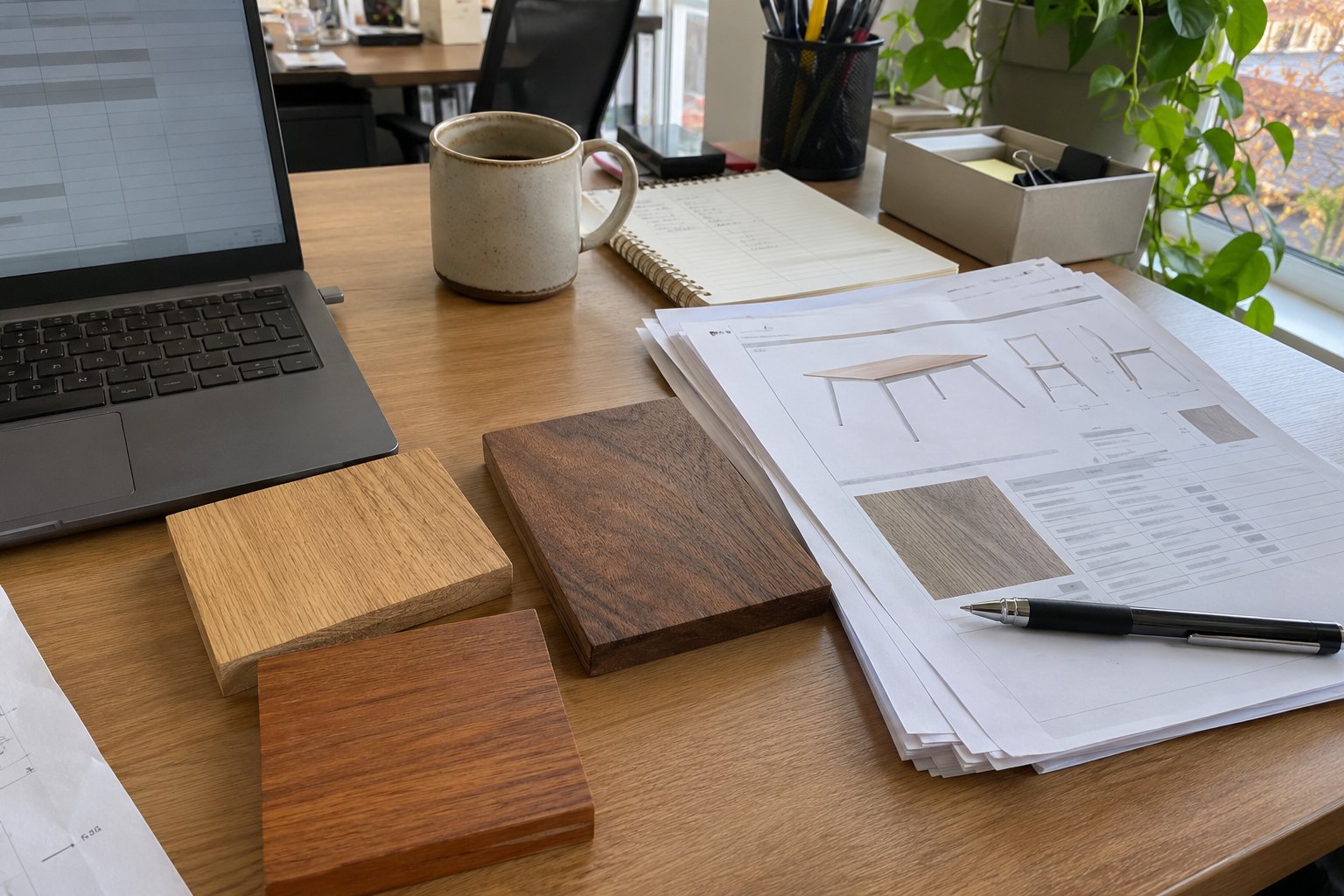
Ask for the certificate code and check it in the public FSC or PEFC database, including its scope: the products, species and sites it covers. A certificate for solid wood boards at one site does not cover millwork made elsewhere.
Additional claims next to a label
Both schemes say that any environmental claim shown beside their mark must itself be clear, specific and supported. The logo does not make an extra line such as “eco-friendly” acceptable.
For a kitchen island with a certified walnut top and a plywood carcass, the label has to make clear which part is certified.
Does EmpCo apply to business-to-business sales?
Strictly, no. The Unfair Commercial Practices Directive covers business-to-consumer practices, and the Commission’s Q&A says B2B dealings fall outside it, although Member States may extend similar rules to B2B. In practice the line runs through the supply chain. A fit-out contractor’s tender for hotel furniture or wall panelling is B2B. The furniture retailer’s product page, catalogue and hang tag are B2C, and the wording on them usually comes from the manufacturer’s spec sheet.
So an EU importer has good reason to ask its Indian and other non-EU suppliers for product data, packaging and photos without generic claims. It is easier to get it right at the source than to sticker every carton in a warehouse in Rotterdam.
Where EU countries stand
EmpCo is a directive, so each country writes it into national law and enforces it through its own consumer authority. According to a Mayer Brown review published on 27 October 2026, eight Member States had notified no transposing measures by then: Bulgaria, Czechia, Malta, Poland, Portugal, Slovenia, Spain and Sweden. France was still working on its law. Denmark and Slovakia transposed early, and Hungary on the application date.
Late transposition is not a safe harbour for a retailer selling across the EU: the large markets with rules in force set the practical standard, and a late country can bring its rules in at any point.
Products already in the warehouse
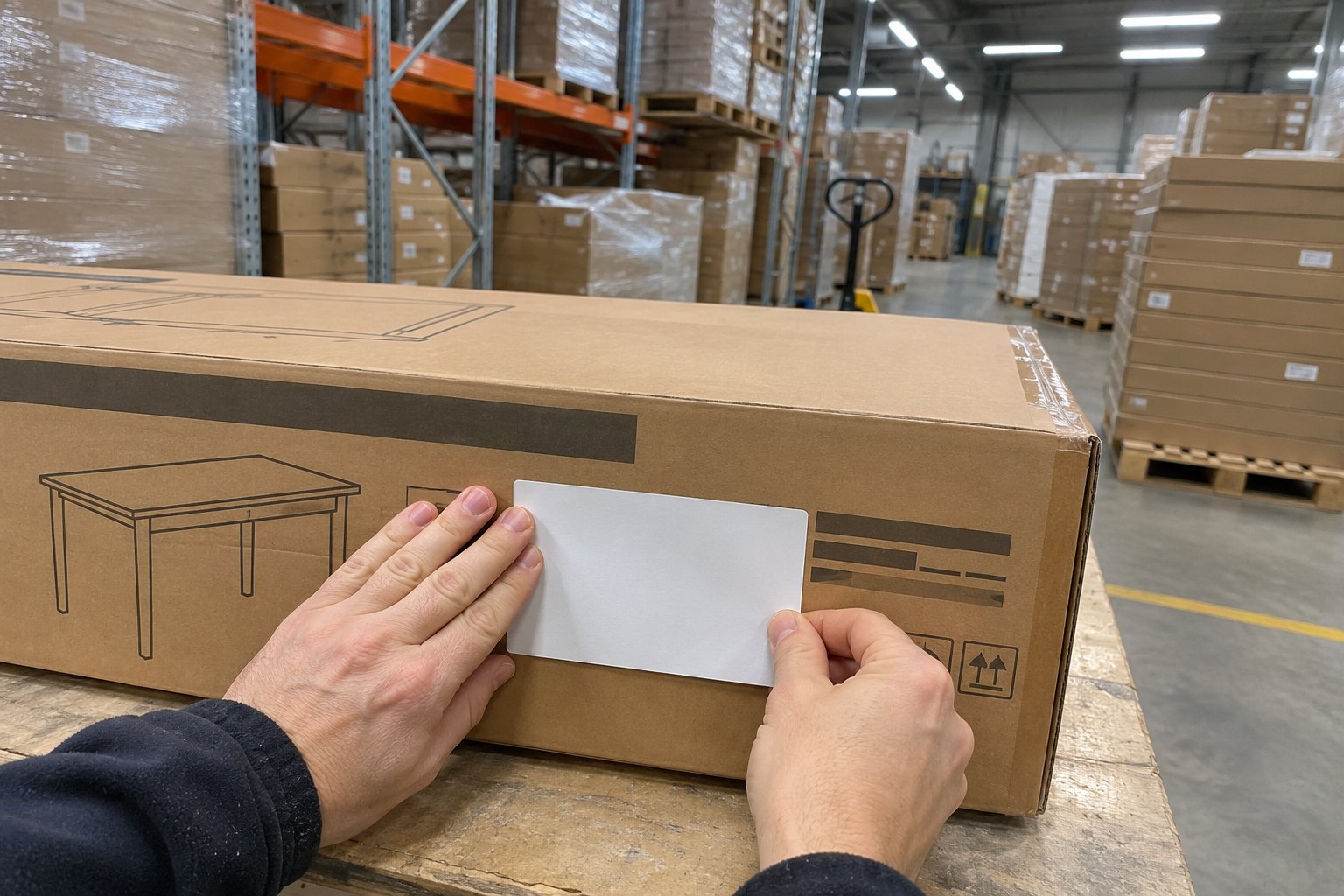
The rules apply to stock that was made, ordered or shipped before 27 September 2026. The Commission’s Q&A says traders can cover or correct non-compliant claims, for example with stickers, or add information at the point of sale, and that authorities may take account of reasonable efforts to comply.
For a container of dining chairs already at sea, a corrected hang tag and an updated web listing will usually be the practical fix.
How EmpCo fits with the EUDR
The two rules do different jobs. The EUDR requires the company that places timber on the EU market to show the authorities, through a due diligence statement, that the wood was legally harvested and not from land deforested after 2020. It applies from 30 December 2026 for medium and large companies. EmpCo governs what is said to shoppers about the product.
Because every wood product will have to meet the EUDR, “EUDR compliant” on its own describes a legal minimum. EmpCo bans presenting legal requirements that apply to all products as a distinctive feature, so it is a weak headline claim. The useful information for a customer is the specific part: the species, the country of harvest, and a certification label if the product carries one. See our guide to buying wood products from India for the UK, EU and UAE for the import side.
What to ask your wood and furniture suppliers
- Species and country of harvest for every wood component, including plywood, veneers and board cores. You need these for the EUDR anyway.
- The exact claim wording for each product, in the product data you will publish, with no generic terms.
- Certificate code and scope for any FSC or PEFC claim, and confirmation that the item was sold as certified on the invoice.
- Artwork with the current label versions, with no “Forests For All Forever” marks and with the website address on PEFC labels.
- Test reports behind any finish or emissions claim, such as formaldehyde class for MDF and HDHMR or VOC data for the lacquer.
- Packaging and hang tags checked too, since they count as claims in the same way as the website.
For materials questions behind the wording, our guides to teak vs sheesham, MDF vs plywood vs HDHMR, WPC board and the best wood for outdoor furniture cover species and boards in detail, and the wood species guide has a page for each timber we work with.
Frequently asked questions
What is the EmpCo directive?
Directive (EU) 2024/825, “Empowering Consumers for the Green Transition”. It amends the Unfair Commercial Practices Directive and the Consumer Rights Directive to ban generic environmental claims, unverified sustainability labels and offset-based carbon-neutral product claims. It applies from 27 September 2026.
Can I still call wooden furniture eco-friendly in the EU?
Only if you can show recognised excellent environmental performance, such as the EU Ecolabel or an officially recognised ISO 14024 type I ecolabel, or if the specific facts behind the claim are stated clearly on the same medium. Otherwise use specific, provable statements about the timber, finish and construction.
Are FSC and PEFC labels still allowed?
Yes. They are third-party certification schemes. Use them under the current rules: FSC-STD-50-001 for FSC, and PEFC ST 2001:2020 Second Edition for PEFC, with the licence code and website on the label.
Does EmpCo apply to exporters outside the EU?
It applies to commercial practices aimed at EU consumers, whoever makes them. A manufacturer in India selling only to an EU importer is selling B2B, but the importer will usually need claim-free product data and packaging, so in practice suppliers are asked to comply.
Is “deforestation-free” a good claim after the EUDR starts?
On its own it is weak. From 30 December 2026 every timber product placed on the EU market must meet the EUDR, so presenting it as a special feature risks breaching EmpCo’s ban on advertising legal requirements as a distinctive feature. Give specific facts instead.
The bottom line
For wood and furniture sold to EU consumers, the safe approach is to say less and prove more. Drop the adjectives, name the species, the source and the finish, and use FSC or PEFC marks only where the chain of custody supports them and the latest label rules are followed. Get the wording right in the supplier’s product data, because that is where most retailer listings start.
Browse our hardwood timber, softwood timber, solid wood boards and full furniture range.
Tell us the products and the market. We share species and origin data for every item we quote, and we respond within 24 hours.
Keep reading in Wood & Materials
- Types of Wood Grain: Grain, Texture and Figure ExplainedWood grain explained: growth rings, pores and rays, flat-sawn vs quartersawn, straight, spiral and interlocked grain, texture, figure…
- Indian Rosewood: The Price of a Tree That Takes a Century to GrowWhy Indian rosewood (Dalbergia latifolia) is so expensive: slow growth, scarcity, regulation and a wood that is hard…
- WPC Board: Price, Uses, and WPC vs PlywoodWhat WPC board is, where it beats plywood and where it doesn’t, typical prices, and how to work…
- Teak Wood vs Sheesham Wood: Price, Strength and LooksTeak vs sheesham: density, durability, stability, looks and price, and which to choose for doors, outdoor and indoor…
Sanjeev KhemkaWrites about timber, woodworking and trade for Kathwala, which supplies hardwood timber, plywood and panels and makes solid wood furniture and millwork to order. Questions? Get in touch.
Sources
- Directive (EU) 2024/825 (Empowering Consumers for the Green Transition), EUR-Lex, 28 February 2024
- European Commission, DG JUST: Questions & Answers on Directive 2024/825, June 2026
- PEFC ST 2001:2020 Second Edition in force 5 October 2026 (PEFC announcement, reported by Timberbiz), 14 October 2026
- PEFC news: system revision and call for experts for the Chain of Custody and Trademarks standards, 26–27 October 2026
- FSC: revised Trademark Standard and Trademark Use Guide, 27 July 2026
- FSC: EmpCo guidance for certificate holders
- Mayer Brown: EmpCo two years on, and where the Member States stand, 27 October 2026